
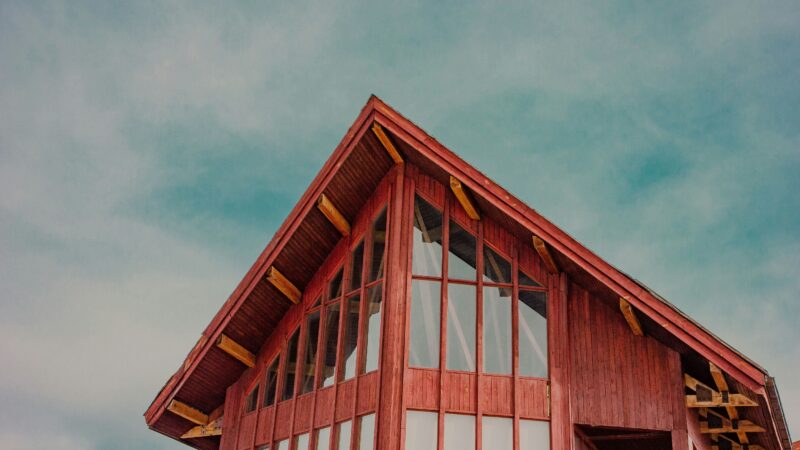
Timber buildings have a timeless charm, offering warmth, natural beauty, and sustainability. Whether it’s a residential home, garden structure, or commercial space, timber construction is admired for its durability and eco-friendly qualities. However, to ensure a timber building stands strong for decades, proper maintenance is essential.
Without regular care, timber can be affected by moisture, pests, and environmental wear. The good news is that with the right approach, you can preserve both the appearance and structural integrity of your timber building. In this comprehensive guide, we’ll explore effective maintenance strategies to help you achieve long-lasting results.
Understanding the Nature of Timber
Before diving into maintenance, it’s important to understand that timber is a natural material. It expands and contracts with changes in temperature and humidity. This natural movement can lead to cracks or slight warping over time, which is normal and manageable with proper care.
Timber is also porous, meaning it can absorb moisture if not properly sealed. This makes protection against water one of the most critical aspects of maintenance.
Regular Inspections Are Key
Routine inspections are the foundation of timber building maintenance. By identifying issues early, you can prevent small problems from becoming costly repairs.
What to Look For:
- Cracks or splits in the wood
- Signs of rot or decay
- Discoloration or mold growth
- Loose joints or structural weaknesses
- Pest infestations such as termites
Inspect both the interior and exterior of the building at least twice a year, especially after extreme weather conditions.
Protecting Timber from Moisture
Moisture is the biggest threat to timber structures. Prolonged exposure to water can lead to rot, mold, and weakening of the material.
Effective Moisture Control:
- Ensure proper drainage around the building
- Keep gutters and downpipes clean and functional
- Avoid water pooling near the foundation
- Use waterproof coatings or sealants
Applying a high-quality wood preservative or sealant creates a protective barrier that prevents water absorption.
Cleaning and Surface Care
Keeping your timber building clean not only improves its appearance but also extends its lifespan.
Cleaning Tips:
- Use a soft brush or cloth to remove dirt and debris
- Wash surfaces with mild soapy water
- Avoid harsh chemicals that can damage the wood
- Pressure wash only when necessary and at low settings
Regular cleaning prevents the buildup of grime and reduces the risk of mold and algae growth.
Applying Protective Finishes
Protective finishes play a vital role in maintaining timber. These include paints, stains, and varnishes that shield the wood from environmental damage.
Types of Finishes:
- Wood stains: Enhance natural grain while providing protection
- Paints: Offer a solid protective layer and color customization
- Varnishes: Provide a glossy finish with added durability
Reapply finishes every few years, depending on exposure to weather and wear.
Preventing Pest Infestation
Timber can attract pests such as termites, beetles, and fungi. These can cause significant damage if not addressed promptly.
Prevention Measures:
- Use treated timber during construction
- Apply anti-pest treatments regularly
- Keep the surrounding area clean and dry
- Seal cracks and gaps to prevent entry
If you notice signs like small holes, sawdust, or hollow wood, seek professional pest control immediately.
Managing Sun and Weather Exposure
Sunlight and weather conditions can cause timber to fade, crack, or weaken over time.
Protection Strategies:
- Apply UV-resistant coatings
- Use shades, overhangs, or cladding for exposed areas
- Regularly check for weather-related damage
Balancing exposure to sunlight and protection helps maintain the wood’s strength and appearance.
Repairing Minor Damages Promptly
Small issues like cracks or chips may seem insignificant, but they can worsen if ignored.
Quick Fixes:
- Fill cracks with wood filler
- Sand rough surfaces
- Replace damaged sections if necessary
- Reapply protective coatings after repairs
Timely repairs prevent further deterioration and maintain structural stability.
Ensuring Proper Ventilation
Good ventilation is essential for timber buildings, especially in humid environments. Poor airflow can lead to moisture buildup and mold growth.
Tips for Ventilation:
- Install vents in enclosed spaces
- Keep windows and openings functional
- Avoid blocking airflow with furniture or storage
Proper ventilation keeps the timber dry and reduces the risk of decay.
Seasonal Maintenance Checklist
Different seasons bring different challenges for timber buildings. Following a seasonal maintenance routine can help you stay ahead of potential issues.
Spring:
- Inspect for winter damage
- Clean surfaces and gutters
- Reapply protective coatings if needed
Summer:
- Check for sun damage
- Ensure proper ventilation
- Monitor for pest activity
Autumn:
- Clear fallen leaves and debris
- Inspect drainage systems
- Prepare for colder weather
Winter:
- Check for moisture buildup
- Protect exposed areas from frost
- Monitor structural integrity
Long-Term Preservation Strategies
For long-lasting results, it’s important to adopt a proactive approach to maintenance.
Best Practices:
- Schedule professional inspections periodically
- Use high-quality materials for repairs
- Keep detailed maintenance records
- Invest in upgrades like improved insulation or coatings
These strategies ensure your timber building remains strong and visually appealing for years to come.
Benefits of Proper Timber Maintenance
Maintaining your timber building offers several advantages:
- Extended lifespan: Prevents premature deterioration
- Cost savings: Reduces the need for major repairs
- Enhanced appearance: Keeps the structure looking new
- Improved safety: Ensures structural integrity
- Sustainability: Maximizes the use of natural materials
Conclusion
Timber buildings are a beautiful and sustainable choice, but they require consistent care to maintain their strength and charm. By focusing on regular inspections, moisture control, protective treatments, and timely repairs, you can ensure your timber structure stands the test of time.
With the right maintenance routine, your timber building will not only remain durable but also continue to provide comfort, functionality, and aesthetic appeal for generations.
Leave a Reply