
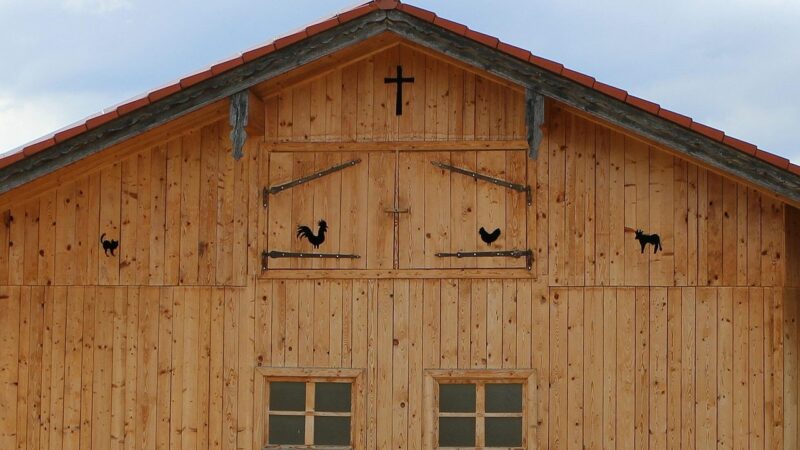
Timber roofs are widely used in residential and commercial properties due to their strength, flexibility, and natural durability. However, timber is a breathable, organic material, which means it is highly sensitive to moisture and poor airflow. Without proper ventilation and moisture control, even the strongest timber roof structure can suffer from rot, mould, warping, and long-term structural damage.
Understanding how ventilation and moisture management work together is essential to maintaining a healthy, long-lasting roof. In this guide, we explore why timber roofs need ventilation, common moisture problems, and practical solutions to protect your property.
Why Timber Roofs Are Vulnerable to Moisture
Timber is hygroscopic – meaning it absorbs and releases moisture depending on environmental conditions. While this natural property makes timber adaptable, it also creates risks when ventilation is inadequate.
Excess moisture in a roof space can result from:
- Internal humidity (cooking, showering, drying clothes)
- Roof leaks
- Poor insulation installation
- Blocked ventilation paths
- Condensation build-up
If moisture becomes trapped inside the roof structure, it can lead to serious long-term problems.
The Role of Proper Ventilation
Ventilation allows air to circulate through the roof space, removing excess moisture before it condenses on timber surfaces.
A well-ventilated roof helps:
- Prevent condensation
- Reduce mould growth
- Protect insulation performance
- Extend timber lifespan
- Maintain structural integrity
Airflow works by allowing cooler air to enter at low points (eaves) and warmer, moist air to escape at higher points (ridge or vents).
Understanding Condensation in Timber Roofs
Condensation is one of the biggest threats to timber roofing systems.
It occurs when:
- Warm indoor air rises
- Moisture in the air meets a cold surface
- Water droplets form on rafters, joists, or roof decking
Over time, repeated condensation can cause:
- Timber decay
- Black mould growth
- Insulation deterioration
- Corrosion of metal fixings
This issue is particularly common during winter months when temperature differences between indoor and outdoor air are significant.
Signs of Poor Roof Ventilation
Watch for these warning signs:
- Musty smells in loft spaces
- Visible mould or mildew
- Damp insulation
- Water staining on rafters
- Rusted nails or metal connectors
- Peeling paint on ceilings
- Dripping sounds in cold weather
Early detection is crucial to avoid expensive structural repairs.
Key Ventilation Methods for Timber Roofs
Effective ventilation systems are designed according to roof type and property design. Common solutions include:
1. Soffit or Eaves Vents
Installed at the lower edge of the roof, these vents allow fresh air to enter the roof space. They are essential for continuous airflow.
2. Ridge Vents
Located along the roof’s peak, ridge vents allow warm, moist air to escape. When paired with eaves vents, they create a balanced ventilation system.
3. Tile Vents
Discrete vents integrated into roof tiles allow air circulation without altering the roof’s appearance significantly.
4. Gable Vents
Found on the external walls near the roof apex, gable vents allow cross-ventilation in certain roof designs.
5. Mechanical Ventilation Systems
In some cases, powered ventilation units are used to enhance airflow, especially in properties prone to high humidity.
Each method should be selected based on roof structure, insulation type, and local climate conditions.
The Importance of Vapour Control Layers
Ventilation alone is not enough. Vapour control layers (VCLs) play a crucial role in moisture management.
A vapour control layer:
- Reduces the amount of internal moisture entering the roof space
- Is typically installed beneath insulation
- Prevents warm, humid air from reaching cold surfaces
Proper installation is critical. Even small gaps can allow moisture to bypass the barrier and cause condensation.
Insulation and Ventilation: Finding the Balance
Modern building standards require high levels of insulation for energy efficiency. However, poorly installed insulation can block ventilation pathways.
Common mistakes include:
- Overfilling insulation into eaves
- Blocking soffit vents
- Compressing breathable materials
When airflow is restricted, moisture cannot escape – increasing the risk of timber decay.
Maintaining clear ventilation channels while installing insulation is essential for long-term roof health.
Consequences of Ignoring Moisture Control
Failing to manage moisture in timber roofs can lead to:
1. Timber Rot
There are two main types:
- Wet rot – caused by persistent damp conditions
- Dry rot – more aggressive and capable of spreading rapidly
Both weaken timber structure and can require costly replacement.
2. Mould and Health Risks
Mould spores can spread into living spaces, potentially affecting indoor air quality and respiratory health.
3. Structural Weakening
Prolonged exposure to moisture reduces timber strength, potentially compromising load-bearing capacity.
4. Reduced Property Value
Visible roof issues can deter buyers and negatively impact property valuations.
Preventative measures are far more cost-effective than structural repairs.
Climate Considerations in the UK
The UK’s damp climate makes proper ventilation even more critical.
High rainfall levels, humidity fluctuations, and cold winters increase the risk of condensation and moisture retention in roof spaces.
Properties in coastal or high-rainfall areas may require enhanced ventilation systems to manage moisture effectively.
Maintenance Tips for Timber Roof Longevity
Regular maintenance is key to preventing problems.
Inspect Annually
Check for:
- Blocked vents
- Damaged tiles
- Signs of damp
- Insulation displacement
Keep Gutters Clear
Blocked gutters can cause water overflow, leading to moisture penetration near roof timbers.
Repair Leaks Immediately
Even small leaks can cause significant internal damage over time.
Ensure Loft Access for Inspection
Periodic loft inspections allow early detection of ventilation or condensation issues.
New Builds vs Older Properties
Older properties often have natural ventilation through less airtight construction. However, retrofitted insulation without updated ventilation can cause problems.
New builds are typically more airtight for energy efficiency. Without carefully designed ventilation systems, moisture build-up becomes more likely.
Professional assessment is recommended when upgrading insulation in older timber roofs.
Sustainable Roofing and Timber Protection
Sustainable construction practices increasingly emphasise moisture management.
Protecting timber roofs:
- Extends building lifespan
- Reduces material waste
- Improves energy efficiency
- Lowers long-term maintenance costs
Proper ventilation supports both environmental sustainability and financial savings.
Final Thoughts
Timber roofs are durable and reliable when properly maintained – but they rely heavily on effective ventilation and moisture control.
By ensuring:
- Continuous airflow
- Correct vapour barriers
- Proper insulation installation
- Regular inspections
you can significantly reduce the risk of condensation, rot, and structural damage.
Moisture problems often develop silently, but their consequences can be severe. Investing in proper roof ventilation is not just about comfort, it’s about protecting your property’s structural integrity and long-term value.
If you suspect ventilation issues or notice signs of moisture in your roof space, seeking professional advice early can prevent costly repairs and extend the life of your timber roof for decades to come.
Leave a Reply