
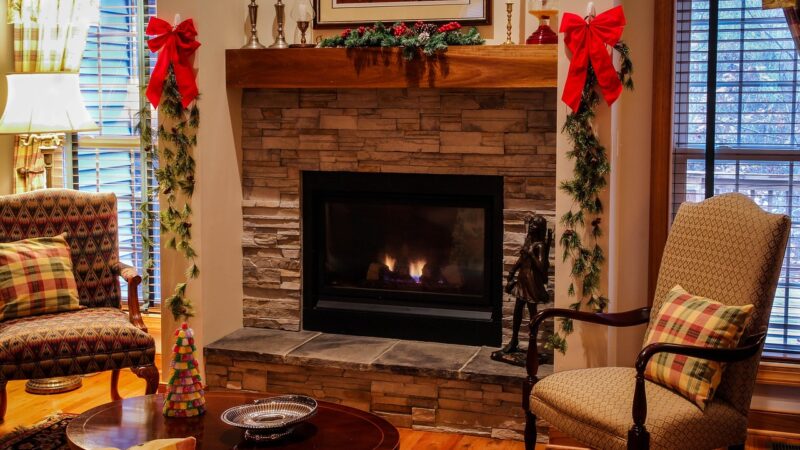
A fireplace often serves as the centerpiece of a living room, bringing warmth, comfort, and visual appeal to a home. While the fireplace itself is important, the mantel plays an equally significant role in defining the style and character of the space. A custom fireplace mantel not only enhances the overall appearance of the fireplace but also provides a place for decoration, family photos, and seasonal displays.
However, one of the most common questions homeowners ask when designing a fireplace mantel is: what are the ideal dimensions? Choosing the right size is crucial because a mantel that is too small may look out of place, while one that is too large can overwhelm the room.
This guide explores the key factors that influence custom fireplace mantel dimensions and explains how to choose the perfect size for your home.
Understanding the Purpose of a Fireplace Mantel
Before deciding on the dimensions, it is important to understand the purpose of a fireplace mantel. Traditionally, mantels were designed to act as a decorative frame around the fireplace opening while also protecting the wall from heat and smoke.
Today, mantels serve multiple functions. They enhance the architectural beauty of the fireplace, create a focal point in the room, and provide a display area for décor items such as artwork, candles, clocks, and seasonal decorations.
Because the mantel is such a prominent feature, its proportions must be carefully planned to complement both the fireplace and the surrounding room.
Standard Fireplace Mantel Dimensions
Although custom mantels can vary widely depending on design preferences, there are common dimension guidelines that many designers follow.
The average mantel shelf height is usually between 54 and 64 inches from the floor. This height allows the mantel to sit comfortably above the fireplace opening while leaving enough room for decorations.
The mantel shelf depth typically ranges from 7 to 12 inches. This depth provides enough space to display decorative objects without protruding too far into the room.
The width of the mantel should usually extend at least 6 to 12 inches beyond each side of the fireplace opening. This extension helps create a balanced and visually pleasing frame around the fireplace.
While these measurements provide a helpful starting point, custom mantels can be adjusted to suit specific design styles and room sizes.
Factors That Influence Mantel Dimensions
Several factors should be considered when determining the best dimensions for a custom fireplace mantel.
Fireplace Size
The size of the fireplace opening is one of the most important factors. A large fireplace requires a wider and more substantial mantel to maintain visual balance, while a smaller fireplace may look better with a more compact mantel design.
If the mantel is too small relative to the fireplace, it may appear insignificant. Conversely, an oversized mantel can overpower the fireplace and disrupt the harmony of the room.
Ceiling Height
Ceiling height also plays a key role in mantel design. Rooms with high ceilings can accommodate taller and more elaborate mantels, while rooms with lower ceilings may benefit from simpler and more streamlined designs.
For example, in a room with a high ceiling, a tall mantel with decorative columns or molding can enhance the vertical space. In a smaller room, a minimalist mantel can prevent the area from feeling crowded.
Room Size and Layout
The overall size of the room should also be considered. Large living rooms often feature grand fireplaces with wide mantels that create a strong visual impact. In contrast, smaller spaces may require more modest mantel dimensions to maintain balance.
The placement of furniture and nearby architectural features should also be taken into account to ensure the mantel integrates seamlessly with the room’s layout.
Style and Design Preference
Different interior design styles call for different mantel proportions. For example, traditional mantels often include detailed carvings, decorative columns, and layered moldings that require slightly larger dimensions.
Modern or minimalist designs typically feature clean lines and slimmer profiles. These mantels may have narrower shelves and simpler structures, emphasizing elegance through simplicity.
Rustic or farmhouse-style mantels often use thick wooden beams that add warmth and character. These mantels may appear larger but are designed to complement natural materials and textures.
Mantel Shelf Depth and Functionality
The depth of the mantel shelf determines how much space is available for decoration. If you plan to display artwork, picture frames, or decorative pieces, a deeper shelf may be necessary.
However, deeper shelves must also comply with safety guidelines. Building codes often specify minimum clearances between the mantel and the fireplace opening, especially for wood-burning fireplaces.
These regulations ensure that combustible materials such as wood mantels remain a safe distance from heat and flames.
For example, a typical safety rule requires a minimum distance of around 12 inches between the top of the fireplace opening and the mantel shelf, although this can vary depending on the fireplace type and local building codes.
Mantel Height and Proportions
Mantel height plays a significant role in the overall appearance of the fireplace. If the mantel is placed too high, it may appear disconnected from the fireplace. If it is too low, it could interfere with the fireplace opening or create safety concerns.
The ideal mantel height often depends on the size of the fireplace and the decorative elements surrounding it. Designers usually aim for balanced proportions that allow the mantel to frame the fireplace naturally.
Additionally, if a television or artwork will be placed above the mantel, the height must accommodate comfortable viewing angles.
Custom Mantels for Different Fireplace Types
Different types of fireplaces may require slightly different mantel dimensions.
Wood-burning fireplaces often need larger clearances due to higher heat output. Gas fireplaces may allow for more flexibility in mantel placement because they typically produce less heat around the opening.
Electric fireplaces offer the most flexibility, as they generate minimal heat. This allows homeowners to experiment with creative mantel designs without worrying about strict clearance requirements.
Understanding the type of fireplace you have will help determine the safest and most suitable mantel dimensions.
Materials and Mantel Thickness
The material used for a custom mantel can also influence its dimensions. Popular materials include wood, stone, marble, and metal.
Wood mantels are highly versatile and can be crafted into both thick rustic beams and detailed traditional designs. Stone or marble mantels often appear more substantial and may require slightly larger dimensions to showcase their natural beauty.
The thickness of the mantel shelf is another design consideration. Thicker shelves create a bold and dramatic appearance, while thinner shelves provide a sleek and contemporary look.
Working with Professionals for Custom Mantels
Designing a custom fireplace mantel requires careful planning and precise measurements. Professional designers and craftsmen can help homeowners select dimensions that complement the fireplace, room layout, and interior design style.
Experts can also ensure that the mantel meets safety requirements and building regulations. With professional guidance, homeowners can achieve a mantel design that is both beautiful and functional.
Custom mantels also allow for personalization through unique finishes, carvings, and decorative details that reflect the homeowner’s taste and lifestyle.
Conclusion
A custom fireplace mantel can dramatically enhance the beauty and functionality of a living space. By choosing the right dimensions, homeowners can create a balanced design that highlights the fireplace while complementing the overall style of the room.
The ideal mantel dimensions depend on several factors, including the size of the fireplace, ceiling height, room layout, and personal design preferences. Paying attention to shelf depth, height, and safety clearances ensures that the mantel remains both practical and visually appealing.
With thoughtful planning and professional craftsmanship, a custom fireplace mantel can become a stunning focal point that adds warmth, elegance, and character to any home.
Leave a Reply