
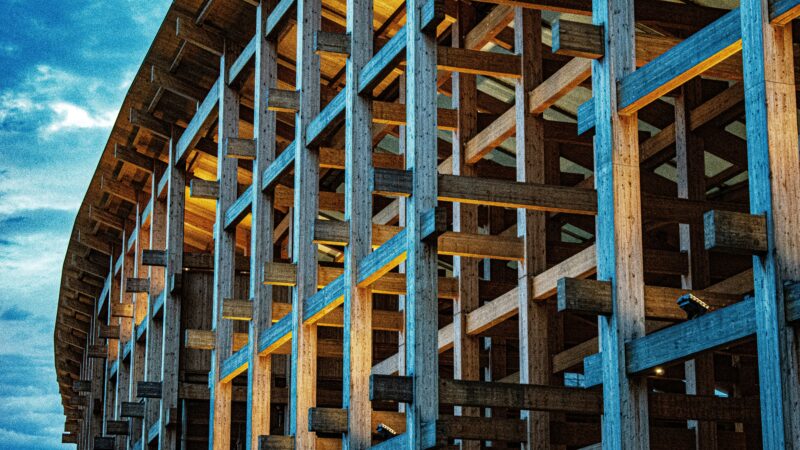
In the ever-evolving world of construction, choosing the right building material is one of the most critical decisions for architects, builders, and homeowners. While concrete and steel have long dominated the industry, timber has re-emerged as a popular and sustainable alternative. From residential homes to commercial structures, timber is increasingly being recognised for its versatility, efficiency, and environmental benefits.
In this blog, we explore why timber is an excellent choice for building projects and how it can enhance both the functionality and sustainability of modern construction.
What Is Timber in Construction?
Timber refers to wood that has been processed and prepared for use in building and construction. It is used in a wide range of applications, including structural frameworks, flooring, roofing, and interior finishes.
Modern advancements in engineering have also introduced products like engineered wood and cross-laminated timber (CLT), which offer improved strength and durability compared to traditional wood.
Sustainability: A Greener Building Material
One of the biggest advantages of timber is its sustainability. As a natural and renewable resource, timber has a significantly lower environmental impact compared to materials like steel and concrete.
Renewable Resource
Timber is sourced from trees, which can be replanted and regrown. Responsible forestry practices ensure a continuous supply without depleting natural resources.
Carbon Storage
Trees absorb carbon dioxide as they grow, and this carbon remains stored in the timber even after it is used in construction. This helps reduce the overall carbon footprint of a building.
Lower Energy Consumption
The production and processing of timber require less energy compared to other construction materials, making it an eco-friendly choice.
Strength and Durability
Contrary to common misconceptions, timber is a strong and durable material when used correctly.
High Strength-to-Weight Ratio
Timber offers excellent strength relative to its weight, making it easier to transport and handle while still providing structural stability.
Engineered Wood Solutions
Products like laminated veneer lumber (LVL) and cross-laminated timber (CLT) enhance the strength and performance of timber, allowing it to be used in larger and more complex structures.
Longevity
With proper treatment and maintenance, timber structures can last for decades, maintaining their strength and appearance.
Versatility in Design
Timber is one of the most versatile construction materials available.
Flexible Applications
It can be used for structural elements, interior finishes, and decorative features, making it suitable for a wide range of projects.
Aesthetic Appeal
Timber adds warmth and natural beauty to any space. Its unique grain patterns and textures create a visually appealing environment.
Customisation
Timber can be easily cut, shaped, and finished to meet specific design requirements, offering endless possibilities for creativity.
Faster Construction Time
Time is a crucial factor in any building project, and timber can significantly speed up the construction process.
Prefabrication
Many timber components can be prefabricated off-site, reducing on-site construction time.
Ease of Installation
Timber is lightweight and easy to work with, allowing for quicker assembly compared to heavier materials.
Reduced Labour Costs
Faster construction often translates to lower labour costs, making timber a cost-effective option.
Energy Efficiency
Timber is a natural insulator, which contributes to improved energy efficiency in buildings.
Thermal Insulation
Timber helps maintain indoor temperatures, reducing the need for heating and cooling systems.
Lower Energy Bills
Improved insulation leads to lower energy consumption, resulting in cost savings for homeowners and businesses.
Comfortable Living Environment
Timber buildings provide a comfortable indoor climate, enhancing overall living conditions.
Cost-Effectiveness
Timber offers several financial advantages for construction projects.
Lower Material Costs
In many cases, timber is more affordable than steel or concrete.
Reduced Foundation Costs
Due to its lightweight nature, timber requires less robust foundations, reducing overall construction expenses.
Long-Term Savings
Energy efficiency and durability contribute to long-term cost savings.
Environmental and Health Benefits
Timber not only benefits the environment but also contributes to healthier living spaces.
Improved Indoor Air Quality
Timber does not emit harmful chemicals, making it a safer choice for indoor environments.
Biophilic Design
Incorporating natural materials like timber can improve mental well-being and create a calming atmosphere.
Reduced Waste
Timber construction generates less waste compared to other materials, and leftover wood can often be recycled or reused.
Fire Performance and Safety
While timber is combustible, modern construction techniques have improved its fire performance.
Predictable Burning Behaviour
Timber chars at a predictable rate, which can help maintain structural integrity during a fire.
Fire-Resistant Treatments
Timber can be treated with fire-retardant chemicals to enhance its resistance.
Engineered Timber Safety
Engineered wood products are designed to meet strict safety standards, ensuring reliable performance.
Common Applications of Timber
Timber is used in a variety of construction projects, including:
- Residential homes and extensions
- Commercial buildings
- Schools and public structures
- Interior design and furniture
- Outdoor structures such as decks and pergolas
Its adaptability makes it suitable for both small-scale and large-scale projects.
Challenges and Considerations
While timber offers numerous benefits, it’s important to consider potential challenges.
Moisture and Decay
Timber can be affected by moisture, leading to rot if not properly treated.
Pest Control
Termites and other pests can damage timber structures, requiring preventive measures.
Maintenance
Regular maintenance is essential to preserve the quality and longevity of timber.
By addressing these challenges with proper planning and treatment, timber can perform exceptionally well.
The Future of Timber in Construction
Timber is playing a key role in the future of sustainable construction.
Rise of Engineered Wood
Innovations in engineered timber are enabling the construction of taller and more complex buildings.
Sustainable Building Trends
As environmental concerns grow, more builders are turning to timber as a greener alternative.
Smart Construction Techniques
Combining timber with modern technology is leading to more efficient and sustainable building practices.
Conclusion
Timber is a versatile, sustainable, and cost-effective material that offers numerous benefits for modern construction projects. From its environmental advantages to its aesthetic appeal and structural performance, timber provides a compelling alternative to traditional building materials.
By choosing timber, builders and homeowners can create spaces that are not only functional and durable but also environmentally responsible and visually appealing.
As the construction industry continues to evolve, timber is set to play an increasingly important role in shaping the buildings of the future, offering a smarter, greener, and more efficient way to build.
Leave a Reply