
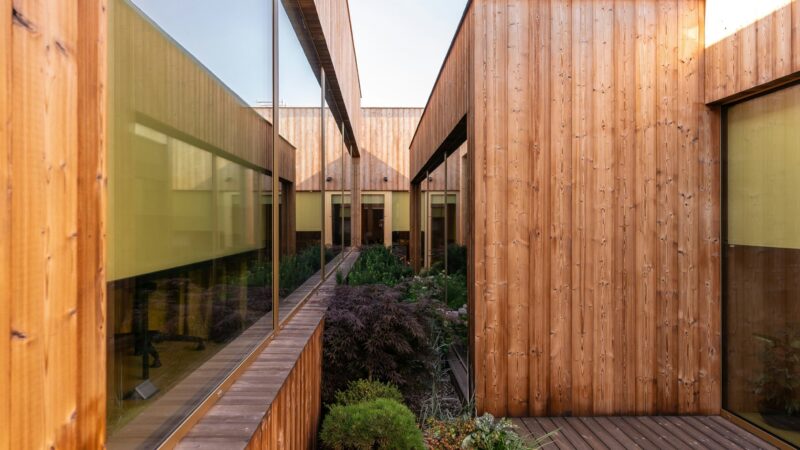
As remote and hybrid working become increasingly common, homeowners are searching for practical ways to create dedicated workspaces without sacrificing comfort or property value. One of the most popular solutions in recent years is the timber-framed garden office. But are timber garden offices truly worth the investment?
The short answer is: Yes, for many homeowners and business professionals, offering significant long-term benefits. However, like any structural addition, the value depends on quality, usage, and installation standards.
In this in-depth guide, we explore the advantages, potential drawbacks, costs, and long-term value of timber-framed garden offices to help you decide if they’re the right choice.
What Is a Timber-Framed Garden Office?
A timber-framed garden office is a standalone structure built in your garden using a wooden structural frame. It is typically insulated, wired for electricity, and designed for year-round use.
Unlike basic sheds, modern timber offices feature:
- Double-glazed windows
- Full insulation (walls, roof, and floor)
- Weatherproof cladding
- Electrical fittings
- Heating and lighting systems
They function as professional, comfortable workspaces separate from the main house.
Why Homeowners Are Choosing Garden Offices
Remote work has reshaped how we use our homes. Kitchen tables and spare bedrooms often don’t provide long-term comfort or productivity. A timber garden office offers:
- Clear work-life separation
- Fewer household distractions
- A professional meeting environment
- Increased privacy
For professionals conducting video meetings, running online businesses, or working in creative industries, having a separate, quiet workspace can dramatically improve efficiency.
Key Advantages of Timber-Framed Garden Offices
1. Natural Insulation Properties
Timber is naturally insulating. When combined with modern insulation materials, a timber-framed structure retains heat efficiently during winter and stays cooler in summer.
This reduces:
- Heating costs
- Energy consumption
- Temperature fluctuations
With proper installation, a timber office can be used comfortably all year round.
2. Aesthetic Appeal
Timber blends beautifully with outdoor environments. Unlike metal or plastic structures, wood offers a natural and warm appearance that complements garden landscaping.
Design options include:
- Contemporary minimalist finishes
- Traditional log-cabin style
- Painted or stained cladding
- Large glass panels for natural light
A well-designed timber office enhances the overall look of your property rather than detracting from it.
3. Increased Property Value
A professionally built, insulated garden office can increase property appeal and resale value.
Buyers increasingly look for flexible spaces that can function as:
- Home offices
- Studios
- Gyms
- Guest rooms
In competitive housing markets, a fully functional garden office can make your property stand out.
4. Cost-Effective Compared to Extensions
Compared to a full home extension, timber garden offices are significantly more affordable.
They typically:
- Require less construction time
- Involve minimal structural disruption
- Avoid major internal renovations
- Often do not require full planning permission (depending on size and location)
For homeowners wanting extra workspace without large-scale building work, this is a major advantage.
5. Faster Installation
Most timber-framed garden offices can be installed within days or a few weeks, depending on size and customisation.
Unlike brick extensions that may take months, timber structures are quicker to assemble due to:
- Pre-fabricated panels
- Lightweight materials
- Simpler foundation requirements
This means less disruption to your daily routine.
6. Sustainability Benefits
Timber is one of the most sustainable construction materials when sourced responsibly. Many manufacturers use:
- FSC-certified wood
- Eco-friendly insulation
- Low-VOC paints and finishes
For environmentally conscious homeowners, timber structures offer a greener alternative to steel or concrete builds.
Are There Any Downsides?
While timber-framed garden offices offer many advantages, there are some considerations to keep in mind.
Maintenance Requirements
Wood requires periodic maintenance to remain in excellent condition.
This may include:
- Repainting or staining every few years
- Checking for moisture damage
- Inspecting seals and roof coverings
However, with proper care, timber structures can last decades.
Initial Investment Cost
High-quality timber garden offices with insulation, electrical work, and double glazing can represent a significant upfront investment.
Costs vary based on:
- Size
- Customisation
- Insulation quality
- Foundation type
- Interior finishes
While cheaper options exist, low-cost units often lack proper insulation and durability.
Planning and Regulations
In many areas, garden offices fall under permitted development rights. However, planning permission may be required if:
- The structure exceeds height limits
- It occupies more than 50% of the garden space
- It is installed in a conservation area
Always check local building regulations before installation.
Comparing Timber to Other Materials
Timber vs Metal
Metal structures are durable but can feel industrial and may suffer from condensation without proper insulation.
Timber offers:
- Better natural insulation
- More attractive aesthetics
- Warmer internal atmosphere
Timber vs Plastic/Composite
Plastic units are low maintenance but often lack structural strength and long-term durability.
Timber generally provides:
- Greater structural integrity
- Custom design flexibility
- Better long-term value
Who Benefits Most from a Timber Garden Office?
Timber-framed garden offices are ideal for:
- Remote employees
- Freelancers
- Consultants
- Designers and creatives
- Therapists or tutors
- Small business owners
- Entrepreneurs
They are also suitable for:
- Garden studios
- Home gyms
- Hobby rooms
- Music practice spaces
The flexibility makes them valuable beyond just work purposes.
Long-Term Financial Considerations
When assessing value, consider:
- Savings on commuting costs
- Increased productivity
- Energy efficiency
- Property value increase
- Rental potential (in some cases)
Over several years, these factors can offset the initial cost.
For business owners, a dedicated workspace may even qualify for tax considerations depending on usage and local regulations.
Comfort and Productivity Benefits
Working in a separate environment:
- Improves mental focus
- Creates work-life boundaries
- Reduces stress
- Enhances professionalism
Many people report higher productivity after moving into a dedicated garden office compared to working inside the home.
Natural light from large windows also supports well-being and concentration.
Final Verdict: Are Timber-Framed Garden Offices Worth It?
For most homeowners seeking a long-term remote working solution, timber-framed garden offices are absolutely worth the investment.
They provide:
- Year-round usability
- Enhanced property value
- Energy efficiency
- Aesthetic appeal
- Faster installation than traditional extensions
- Improved work-life balance
While they require maintenance and upfront investment, the long-term advantages, both financial and lifestyle-related, make them a highly practical addition.
If you plan to work from home for the foreseeable future or want flexible extra space without major renovations, a well-built timber garden office can be one of the smartest upgrades you make to your property.
Ultimately, the value lies not just in the structure itself, but in the comfort, productivity, and flexibility it brings to your everyday life.
Leave a Reply