
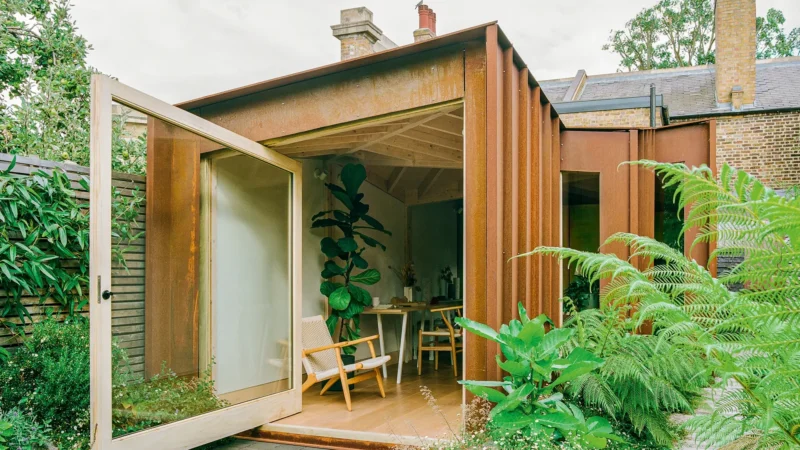
Timber outbuildings, whether used as garden offices, summerhouses, or storage sheds, are a popular addition to many homes. Adding a tiled roof enhances both durability and aesthetics, giving the structure a finished, permanent look. However, before building, it is essential to understand planning permission requirements, as local regulations govern the size, placement, and construction of such structures. Failing to comply can lead to fines or even a requirement to remove the building.
In this guide, we’ll cover everything homeowners need to know about planning permission for timber outbuildings with tiled roofs, including regulations, exceptions, and tips for a smooth approval process.
Why Planning Permission Matters
Planning permission ensures that any building work does not negatively affect:
- Neighbours’ properties
- Local infrastructure
- Aesthetics of the area
- Safety and environmental standards
Even small outbuildings can impact light, privacy, or drainage. While timber outbuildings are generally less intrusive than brick or concrete structures, using a tiled roof may make the building appear more permanent, which can influence whether planning permission is required.
Permitted Development Rights vs. Planning Permission
In the UK, many timber outbuildings fall under permitted development rights, meaning you don’t need formal planning permission if the structure meets certain conditions:
- Height restrictions:
- Maximum eaves height: 2.5 meters if within 2 meters of a boundary
- Maximum overall height: 4 meters for pitched roofs, 3 meters for flat roofs
- Location restrictions:
- Must not cover more than 50% of garden area
- Cannot be built in front gardens of houses facing a highway
- Usage restrictions:
- Must be for ancillary purposes only (storage, home office, leisure)
- Not to be used as a separate dwelling
If your outbuilding exceeds these limits, is located in a conservation area, or is in a listed property, you must apply for planning permission.
When a Tiled Roof Affects Planning Permission
Adding a tiled roof can make an outbuilding appear more like a permanent extension, which may trigger a requirement for planning permission even if other aspects comply with permitted development rights. Authorities consider:
- The overall height and roof pitch
- The visual impact on neighbouring properties
- Whether the building could be used as living space
Flat or felt roofs are less likely to require permission, while pitched, tiled roofs often prompt a closer review. Using lightweight tiles and maintaining modest proportions can help minimize planning complications.
Key Considerations Before Applying
Before submitting a planning application, consider the following:
1. Site Assessment
- Measure the garden area
- Identify proximity to boundaries
- Note the slope of the ground and drainage patterns
2. Design
- Choose a roof pitch that complements the main house
- Ensure timber quality and weatherproofing are sufficient
- Consider windows and doors that maintain privacy for neighbours
3. Neighbour Consultation
- Discuss plans with neighbours
- Ensure no objections that may lead to a refusal
4. Local Authority Guidelines
- Check council-specific requirements
- Some councils require materials to match the main house
- Planning officers may request site plans and elevation drawings
Applying for Planning Permission
If your timber outbuilding with a tiled roof exceeds permitted development limits, you will need to apply for planning permission. The process generally involves:
Step 1: Preparing Your Application
- Complete the planning application form
- Include drawings showing:
- Floor plan
- Roof plan and elevations
- Materials to be used
- Include a site location plan
Step 2: Submission
- Submit online via your local council’s planning portal
- Pay the application fee (varies depending on council)
Step 3: Consultation
- Neighbours and local stakeholders may be consulted
- Objections can influence the outcome
Step 4: Decision
- Council typically responds within 8–13 weeks
- Approval may include conditions, such as material choices or landscaping requirements
Tips for a Successful Planning Application
- Keep the building proportionate: Avoid excessive height or bulk.
- Use sympathetic materials: Timber cladding and tiles that match or complement your home are preferred.
- Maintain distance from boundaries: At least 2 meters is ideal to avoid overshadowing neighbours.
- Avoid full planning complexity: Keep the outbuilding under 30 square meters if possible.
- Hire professionals: Architects or planning consultants can prepare drawings and applications accurately.
Alternatives if Permission is Denied
If planning permission is refused, you still have options:
- Reduce the size: Lower the roof height or decrease the footprint.
- Change the roof type: Consider flat or felt roofs instead of tiles.
- Relocate the building: Move it further from boundaries or protected areas.
Sometimes a minor redesign can bring the outbuilding within permitted development rights, avoiding the need for full planning approval.
Maintaining Compliance After Construction
Even after your timber outbuilding is built, ensure ongoing compliance:
- Avoid converting it into a separate dwelling
- Keep the use ancillary to your main property
- Maintain the structure and roof to prevent issues with local authorities
Failure to comply with planning conditions can result in enforcement notices or penalties.
Final Thoughts
A timber outbuilding with a tiled roof can add significant value, style, and functionality to your property. However, planning permission is a crucial step to ensure the building is compliant with local regulations and does not create disputes with neighbours or authorities. By understanding permitted development rights, carefully planning your design, and consulting your local council, you can enjoy a beautiful, functional outbuilding without legal issues.
Whether it’s a garden office, workshop, or leisure space, taking the time to navigate planning regulations ensures your timber outbuilding remains a safe, legal, and long-lasting addition to your home.
Leave a Reply